
Preparing for NEET or JEE is not a short sprint; it’s a long-distance race that rewards early starters. Students who join early batches gain time to understand concepts deeply, practice consistently, and improve gradually without pressure. This is exactly why joining TOPPER’S early batches for NEET/JEE 2026 can make a decisive difference in your final rank and overall confidence.
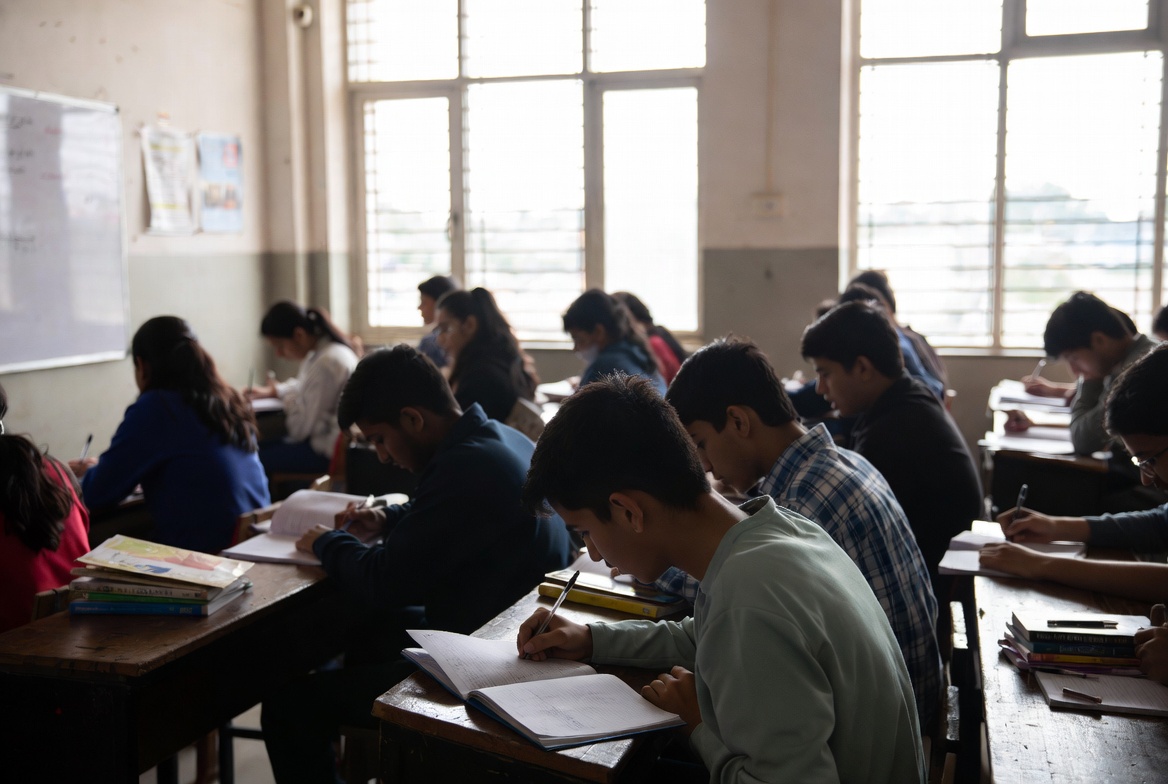
Early Preparation Creates a Strong Competitive Edge
To begin with, competitive exams like NEET and JEE demand clarity, consistency, and patience. Students who start early are not rushing through chapters. Instead, they absorb concepts step by step. Early batches allow learners to stay ahead of the school syllabus while revising multiple times before the exam year even begins.
Moreover, early starters experience less anxiety because preparation feels controlled rather than chaotic.
Why Late Starters Struggle in NEET/JEE Preparation
On the other hand, students who join coaching late often face syllabus overload. They try to cover multiple chapters in limited time, which affects understanding and accuracy.
As a result:
-
Concepts remain half-clear
-
Revision becomes insufficient
-
Mock test scores fluctuate
-
Stress levels increase
Early batches eliminate these problems by distributing the workload evenly.
Conceptual Clarity Is the Biggest Advantage of Early Batches
Concept clarity is the backbone of NEET and JEE success. Early batches at TOPPER’S focus on building fundamentals from the ground up.
Instead of memorizing formulas, students learn:
-
Why formulas work
-
How concepts connect across chapters
-
How theory converts into problem-solving
This clarity makes advanced questions far more manageable later.
More Time Means More Practice and Accuracy
Practice is where ranks are decided. Joining TOPPER’S early batches gives students months of extra practice that late joiners never get.
With extended preparation time, students can:
-
Solve more MCQs and numericals
-
Analyze mistakes deeply
-
Improve speed without panic
-
Strengthen weak chapters gradually
Accuracy improves naturally when practice is spread over time.
Early Batches Help Build Discipline and Routine
One often overlooked benefit of early batches is discipline. Regular classes, scheduled tests, and guided study routines train students to follow consistency.
Over time, students develop:
-
Fixed study hours
-
Habit of daily revision
-
Test-oriented thinking
-
Self-control over distractions
Discipline built early becomes a lifelong academic advantage.
Stress-Free Learning Compared to Last-Minute Preparation
Late preparation usually means pressure, sleepless nights, and mental fatigue. Early batch students, however, study in a calmer environment.
Because they are ahead of schedule:
-
Revisions feel lighter
-
Tests become learning tools
-
Confidence stays high
-
Burnout risk reduces
A relaxed mind always performs better in competitive exams.
Personal Attention Is Better in Early Batches
Early batches usually have more balanced class strength. This allows teachers at TOPPER’S to focus on individual students.
Students benefit through:
-
Faster doubt resolution
-
Personalized guidance
-
Better interaction with faculty
-
Early identification of weak areas
This support system is difficult to achieve when batches are overcrowded later.
Comparison: Early Batch vs Late Batch Students
| Aspect | Early Batch Students | Late Batch Students |
|---|---|---|
| Syllabus Coverage | Well-paced and thorough | Rushed and compressed |
| Revision Cycles | Multiple planned revisions | Limited revision time |
| Stress Level | Low and controlled | High and continuous |
Early Exposure to Competitive-Level Questions
TOPPER’S early batches introduce students to NEET/JEE-level questions from the beginning. This prevents fear of difficult questions later.
As a result, students:
-
Develop analytical thinking
-
Learn elimination techniques early
-
Improve confidence in tough sections
-
Perform better in mock exams
Familiarity with exam patterns builds psychological strength.
Parents Also Benefit from Early Batch Planning
Early batches help parents too. Academic planning becomes clearer, pressure reduces at home, and progress can be tracked over time.
Parents notice:
-
Better academic discipline
-
Less exam-related anxiety
-
Steady improvement in performance
This creates a positive learning environment overall.
Conclusion
Joining early is not about studying more; it’s about studying smarter. TOPPER’S early batches for NEET/JEE 2026 give students time, structure, clarity, and confidence — all essential ingredients for competitive success. Early preparation transforms fear into familiarity and pressure into performance. If you truly aim for a strong rank, starting early is not optional; it’s strategic.